 Albania
 Algeria
 Andorra
 Argentina
 Armenia
 Australia
 Austria
 Azerbaijan
 Bahrain
 Belgium
 Bolivia
 Brazil
 Bulgaria
 Cambodia
 Cameroon
 Canada
 Chad
Chad Chile
Chile China
China Colombia
 Costa Rica
 Croatia
 Cyprus
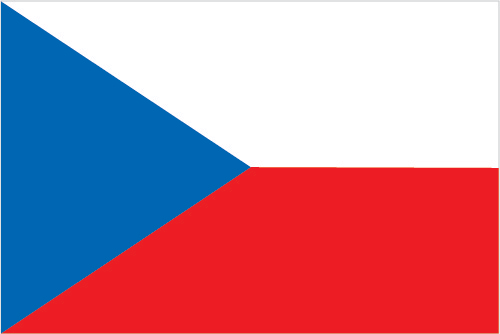 Czechia
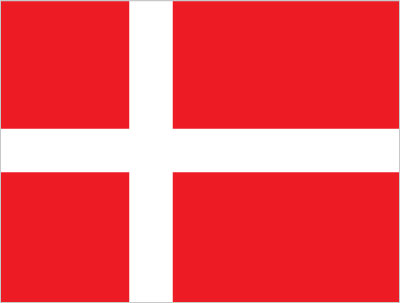 Denmark
 Ecuador
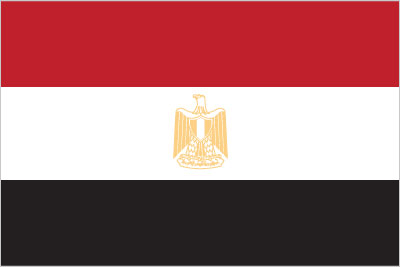 Egypt
Egypt Finland
 France
 Georgia
 Germany
 Ghana
Ghana Greece
 Hungary
 Iceland
 India
India Indonesia
 Ireland
 Italy
Italy Jamaica
 Japan
Japan Jordan
 Kazakhstan
 Kenya
Kenya Kuwait
 Latvia
 Lebanon
 Libya
Libya Lithuania
 Luxembourg
 Malaysia
 Maldives
 Mali
Mali Malta
Malta Mexico
 Moldova
 Monaco
 Morocco
 Netherlands
 New Zealand
 Nigeria
 North Macedonia
 Norway
 Oman
OmanSustainable information and early warning system on food security for Chad
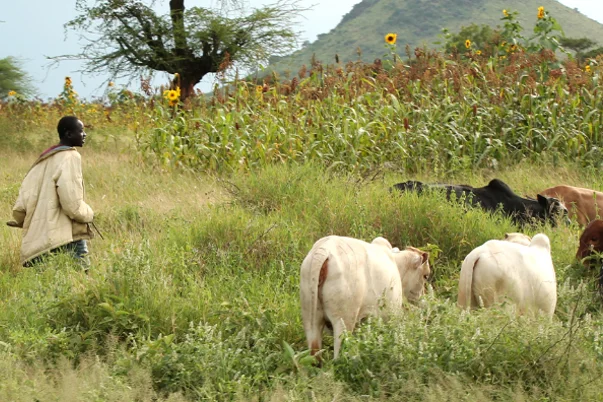
The European Union, FAO and the Government of Chad have officially launched a project to «support the setting up of a national information and early warning system on food security.»
«This system will play an important role in preventing and managing food crises, which are increasingly common in our country,» said Mr. Dangde Laoubele Dama, Chad’s Minister of Agriculture and Irrigation.
The project, with € 4.5 million in funding from the European Union, will be implemented by FAO and the Ministry of Agriculture and Irrigation, together with the Ministry of Planning, Economy and International Cooperation. It will last for 48 months.
A sustainable and functional system
The new system will centralize all data linked to food security and nutrition, so that it can be used in decision-making. It will help to coordinate Chad’s various information systems and will make suggestions to the Action Committee for Food Security and Crisis Management (CASAGC), proposing future initiatives on the basis of information processed.
«Its operating system will make it possible to both target development initiatives and provide crucial early warning, so that the negative impact of shocks to communities most vulnerable to food and nutrition insecurity can be foreseen and attenuated,» explained the FAO Representative in Chad, Mr. Germain Dasylva.
As well as making a valuable contribution at national level, the NIEWS tool will enable Chad to share methodologies and information on food security with countries of the Sahel and West Africa.
«All systems must be sustainable if they are to be effective. The Government has pledged its continued commitment to ensuring that the institutional, material, financial and human conditions exist and that NIEWS can carry out its mission. The Government’s commitment to building on the achievements of NIEWS will therefore be one of the keys to the success of this project,» observed the Ambassador to the European Union Mrs. Hélène Cavé.
Strengthening capacities and collaboration
The support provided involves strengthening the technical and material capacities of information service providers (ISP), at both central and decentralized level. A number of training initiatives are planned to enable ISPs to collect, interpret and transmit information at central level. The central structures will be asssisted in analysing the data transmitted, as well as in participating in regional systems and offering feedback to the decentralized structures.
NIEWS will work closely with NGOs and international organizations involved in collecting data on food security.
Technical assistance will be made available so as to link the ministries’ technical services with NGO activities in the field, especially for the setting up of regional information and local early warning systems. The assistance offered will capitalize on the good practices and approaches of these initiatives, while highlighting the difficulties and constraints encountered.