 Albania
 Algeria
 Andorra
 Argentina
 Armenia
 Australia
 Austria
 Azerbaijan
 Bahrain
 Belgium
 Bolivia
 Brazil
 Bulgaria
 Cambodia
 Cameroon
 Canada
 Chad
Chad Chile
Chile China
China Colombia
 Costa Rica
 Croatia
 Cyprus
 Czechia
 Denmark
 Ecuador
 Egypt
Egypt Finland
 France
 Georgia
 Germany
 Ghana
Ghana Greece
 Hungary
 Iceland
 India
India Indonesia
 Ireland
 Italy
Italy Jamaica
 Japan
Japan Jordan
 Kazakhstan
 Kenya
Kenya Kuwait
 Latvia
 Lebanon
 Libya
Libya Lithuania
 Luxembourg
 Malaysia
 Maldives
 Mali
Mali Malta
Malta Mexico
 Moldova
 Monaco
 Morocco
 Netherlands
 New Zealand
 Nigeria
 North Macedonia
 Norway
 Oman
OmanSustainable agriculture provides a lifeline to Mali’s women
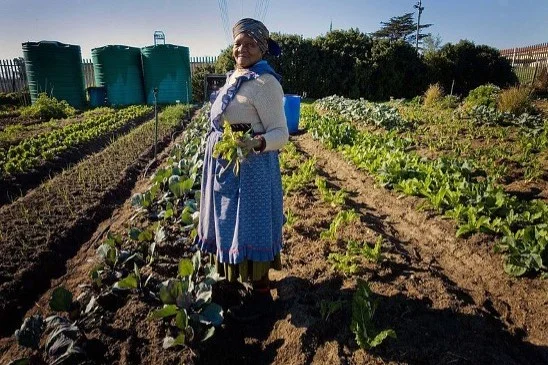
Agriculture is often a key route out of poverty for many in developing countries, especially among women.
In Mali, it is estimated that women make up half of all those involved in agriculture. However, UN Women reports that climate change is threatening to undo the progress made in building stronger rural communities and ending hunger in the country.
The UN entity, formed seven years ago, has been implementing a new programme called AgriFed, designed to combat the negative impacts of climate change on women.
“The effects of climate change are not sparing Mali, and are hitting this country hard, an additional challenge in an extremely fragile security context in the Sahel region,” says Maxime Houinato, UN Women Country Representative in Mali. “And yet, Mali, although a low contributor to the global emission of greenhouse gases, is no less committed to the race to adapt to the effects of climate change.”
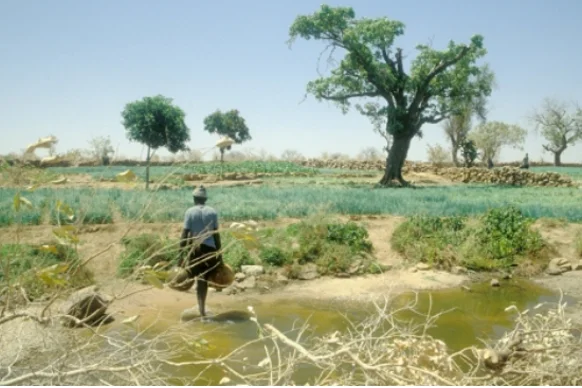
AgriFed started its activities in the region of Segou, approximately 200 kilometers from Mali’s capital, Bamako. Its initial plan was to train 247 women and 66 men in sustainable agriculture techniques. This includes water conservation, new techniques in cultivation, and scheduling crops.
Women have also learned the benefits of using fertilizer and pesticides to ward off parasites. The region has seen an increased number of these creatures, which can ruin entire crops, as a direct result of rising temperatures and humidity.
“We thought the land was sick,” said local farmer Fatou Dembele. “We didn’t know that there were live parasites that attacked the roots of the plants and could kill them.”
In addition, UN Women has helped increase the local incomes of 110 women by introducing modern preservation techniques for produce such as shallots, onions, and potatoes.
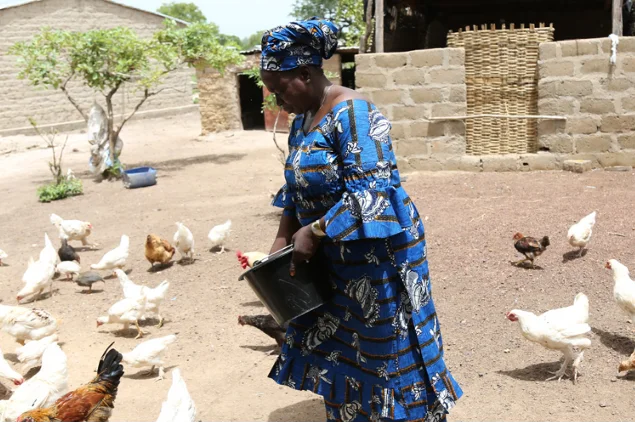
Another local farmer, Alphonsine Dembele, highlighted how AgriFed has not only boosted her income but also “helped improve nutrition at home and reduce malnourishment in our children.”
The programme has also brought women from different ethnic communities together to discuss new techniques and improve harvest yields.
UN Women hopes that the success of the scheme can be replicated in other African countries, which also face similar impacts from climate change.