 Albania
 Algeria
 Andorra
 Argentina
 Armenia
 Australia
 Austria
 Azerbaijan
 Bahrain
 Belgium
 Bolivia
 Brazil
 Bulgaria
 Cambodia
 Cameroon
 Canada
 Chad
Chad Chile
Chile China
China Colombia
 Costa Rica
 Croatia
 Cyprus
 Czechia
 Denmark
 Ecuador
 Egypt
Egypt Finland
 France
 Georgia
 Germany
 Ghana
Ghana Greece
 Hungary
 Iceland
 India
India Indonesia
 Ireland
 Italy
Italy Jamaica
 Japan
Japan Jordan
 Kazakhstan
 Kenya
Kenya Kuwait
 Latvia
 Lebanon
 Libya
Libya Lithuania
 Luxembourg
 Malaysia
 Maldives
 Mali
Mali Malta
Malta Mexico
 Moldova
 Monaco
 Morocco
 Netherlands
 New Zealand
 Nigeria
 North Macedonia
 Norway
 Oman
OmanCity of Lebanon, New Hampshire – A Sustainable Community
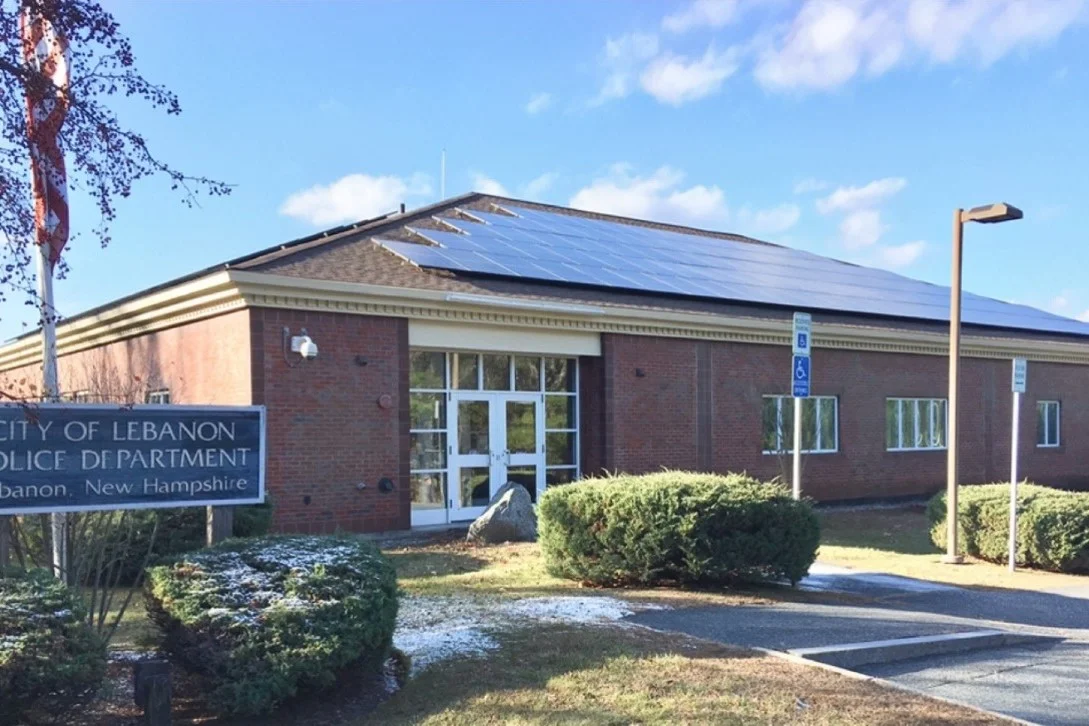
The City of Lebanon must become a model for a balanced and desirable sustainable community preserving its New England rural character, smartly managing its growth and urbanization as the hub of the Upper Valley Micropolitan area, and meeting the needs of the present without compromising the ability of future generations to meet their needs.
Mission:
- Deliver a sustainable, effective, and responsive City government.
Purpose:
- Unify City stakeholders and partners to support the City Council’s vision and mission in accordance with City values and priorities to produce City Council targeted outcomes to best serve the health, safety, and welfare of all Lebanon residents.
Values:
- All actions and policies of the government of the City of Lebanon shall, first and foremost, benefit the current residents of the City of Lebanon
- All City Decisions shall be guided by Lebanon’s Principles for a Sustainable Community.
- The City shall develop and maintain excellent planning capability.
- The City shall act predictably and transparently and be accountable for its actions and shall regularly re-evaluate its policies and actions.
- The City shall make data-driven decisions.
- The City Administration shall adequately inform the deliberation and discretion of the Council and of all municipal boards and committees.
- The City shall exercise fiscal responsibility and restraint towards prudent long-term stewardship of its resources.
- The City shall protect the natural environment of the City and the character of our neighborhoods.
Universal Strategies:
- Current and Manageable Work Plans
- Innovation and Creativity in Outcomes, Operations and Work Models
- Balanced Long-Term/Short-Term Challenges and Opportunities
- Long-Term Organizational Sustainability
- Teamwork-Based Organization
- Labor-Management Partnership
- Simplicity and Leanness in Operations
- Transformation of Place and Space
- Alignment with Ethical Principles
- Employee Engagement, Empowerment and Support
- Continuous Education of Employees
- Efficient Use of Tools and Technology
- Utilization of Best Management Practices
- Energy Efficiency
- Readily Adaptable to Political, Regulatory, Economic, and Social Shifts
- 360 Degree, Organization-Wide Internal and External Communication