 Albania
 Algeria
 Andorra
 Argentina
 Armenia
 Australia
 Austria
 Azerbaijan
 Bahrain
 Belgium
 Bolivia
 Brazil
 Bulgaria
 Cambodia
 Cameroon
 Canada
 Chad
Chad Chile
Chile China
China Colombia
 Costa Rica
 Croatia
 Cyprus
 Czechia
 Denmark
 Ecuador
 Egypt
Egypt Finland
 France
 Georgia
 Germany
 Ghana
Ghana Greece
 Hungary
 Iceland
 India
India Indonesia
 Ireland
 Italy
Italy Jamaica
 Japan
Japan Jordan
 Kazakhstan
 Kenya
Kenya Kuwait
 Latvia
 Lebanon
 Libya
Libya Lithuania
 Luxembourg
 Malaysia
 Maldives
 Mali
Mali Malta
Malta Mexico
 Moldova
 Monaco
 Morocco
 Netherlands
 New Zealand
 Nigeria
 North Macedonia
 Norway
 Oman
OmanSustainability of HEP Group is securing sustainable and flexible energy portfolio
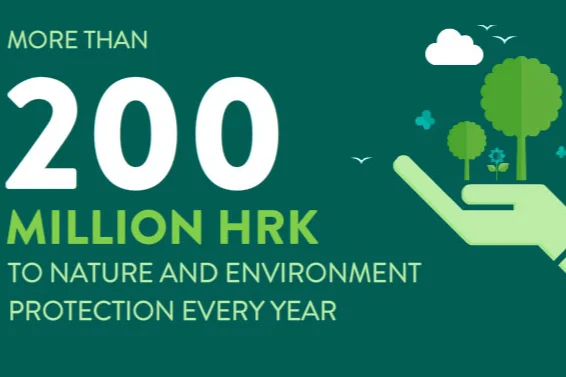
HEP Group fully integrates the principles and processes of sustainable development and responsibility towards the economy, the environment and the society in which it operates. Energy and the environment are not just another component of sustainability for HEP; due to the nature of our business activities, they are the basis and substance of our operations. One of the four basic pillars of Group’s development strategy up to 2030, is securing sustainable and flexible energy portfolio, which means sustainable, efficient and reliable energy supply for customers and HEP itself. In addition, by optimizing all components of its environmental impact, the company constantly works on reducing pollution and mitigating climate change.
Due to our size and business diversity, our impacts are diverse and complexly interconnected. We have considered material topics in the context of the strategic objectives set by the Strategy of Development of HEP Group up to 2030, and Group’s potential contribution in meeting UN’s sustainable development goals. Material topics, HEP’s contribution to the achievement of sustainable development goals and successful management of material topics and impacts have been coordinated with our key stakeholders.
HEP Group has been reporting about its enironmental impact since the late 1990s, when it increased efforts to improve the environmental footprint and energy efficiency management. The first non-financial Sustainability Report was published in 2015, covering years 2013 and 2014, and as of 1/1/2017 this became our legal obligation. In reporting, we use the Global Reporting Initiative (GRI-4, GRI Standard) guidelines.