 Albania
 Algeria
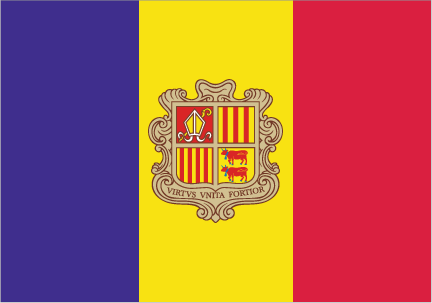 Andorra
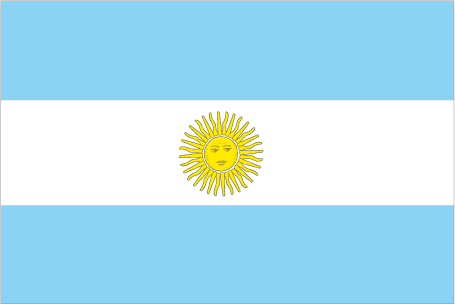 Argentina
 Armenia
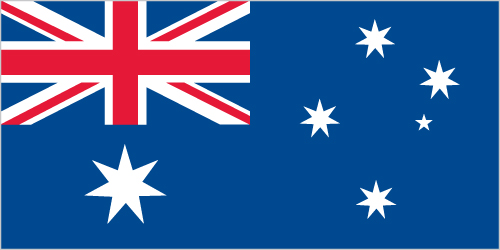 Australia
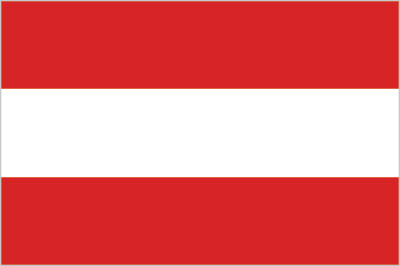 Austria
 Azerbaijan
 Bahrain
 Belgium
 Bolivia
 Brazil
 Bulgaria
 Cambodia
 Cameroon
 Canada
 Chad
Chad Chile
Chile China
China Colombia
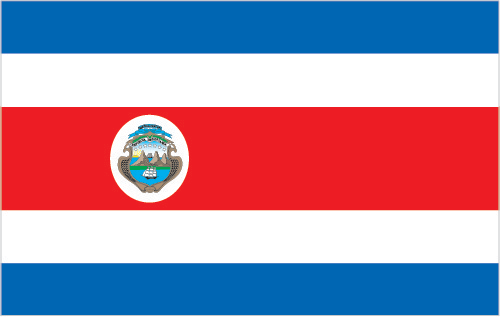 Costa Rica
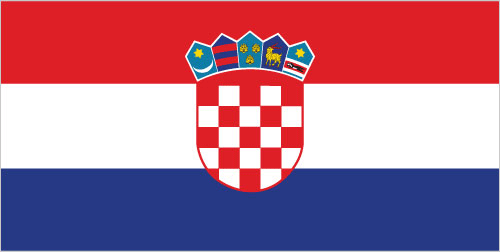 Croatia
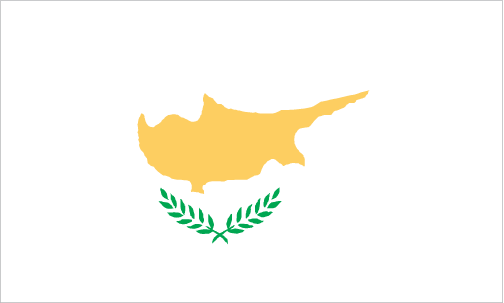 Cyprus
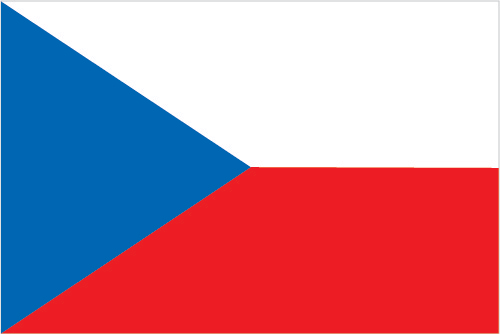 Czechia
 Denmark
 Ecuador
 Egypt
Egypt Finland
 France
 Georgia
 Germany
 Ghana
Ghana Greece
 Hungary
 Iceland
 India
India Indonesia
 Ireland
 Italy
Italy Jamaica
 Japan
Japan Jordan
 Kazakhstan
 Kenya
Kenya Kuwait
 Latvia
 Lebanon
 Libya
Libya Lithuania
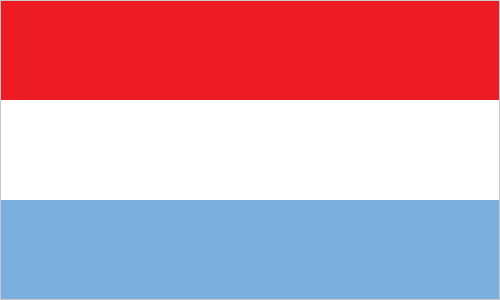 Luxembourg
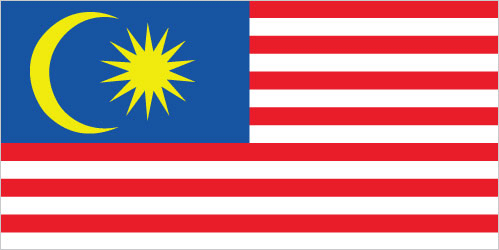 Malaysia
 Maldives
 Mali
Mali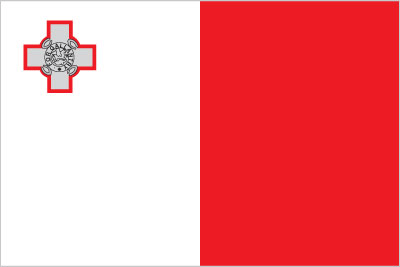 Malta
Malta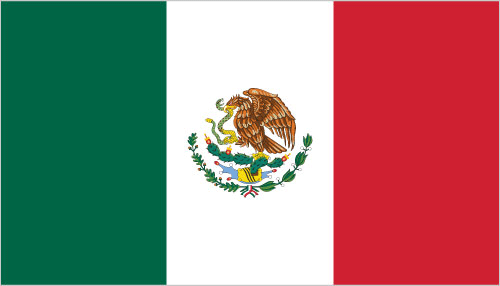 Mexico
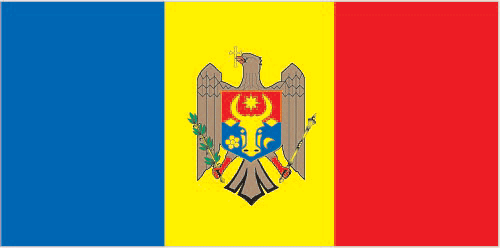 Moldova
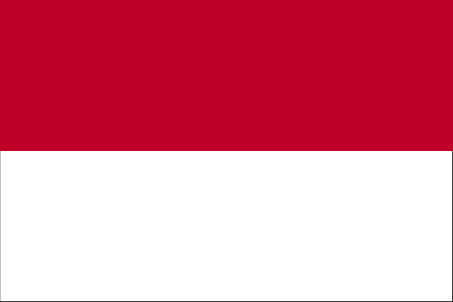 Monaco
 Morocco
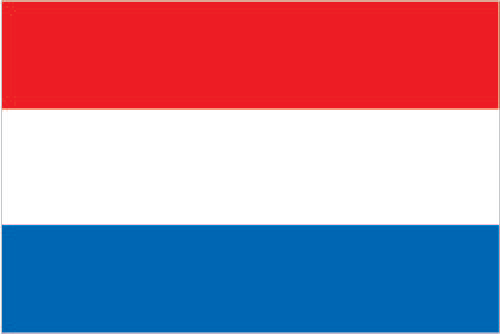 Netherlands
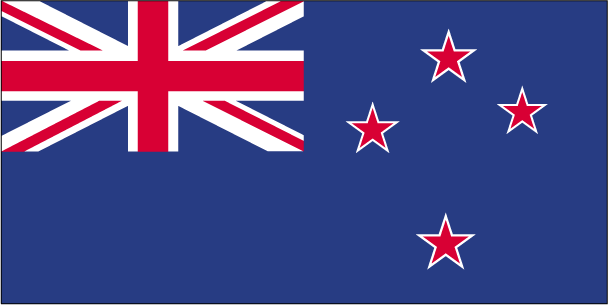 New Zealand
 Nigeria
 North Macedonia
 Norway
 Oman
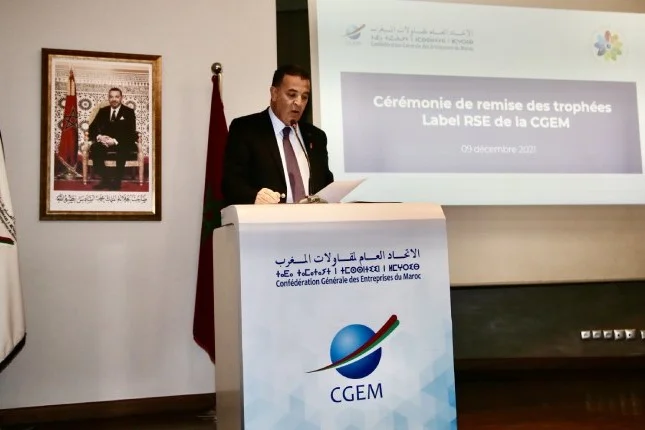
OmanGeneral Confederation of Moroccan Enterprises: Handing out Social Responsibility Label awards to the beneficiary companies
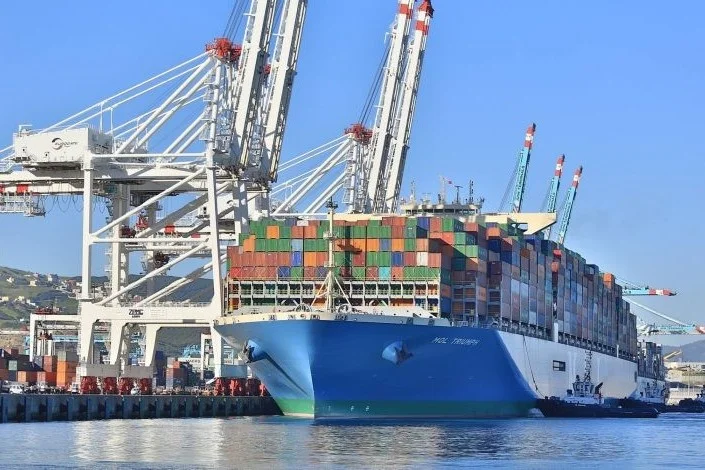
Morocco ranks 49th globally, 6th in Africa, and 4th in the Arab world in adopting voluntary sustainability standards in public procurement policies and trade, according to a report by the United Nations Forum on Sustainability Standards.
Tunisia ranks 3rd among Arab countries, with a score of 25.77%, while Egypt and Morocco scored 28% and 26.92%, respectively. Globally, Tunisia is ranked 58th out of 192 countries in adopting these standards.
In Africa, Tunisia is 10th, following Madagascar (ranked 56th), Uganda (53rd), Ghana (50th), Morocco (49th), Egypt (40th), and Ethiopia (37th). South Africa (ranked 18th), Kenya (26th), and Tanzania (36th) are the top three African countries in adopting voluntary sustainability standards.
On the global stage, Brazil (1st), the United States (2nd), and China (3rd) top the list with adoption rates exceeding 40%.
The report highlighted that the adoption of these standards is closely linked to the diversity of export products. Isabelle Durant, Deputy Director of the United Nations Conference on Trade and Development (UNCTAD) and Forum Coordinator, stated that the United Nations Forum on Sustainability Standards is a coalition of five UN agencies promoting these guidelines.
These five agencies are the Food and Agriculture Organization (FAO), the International Trade Centre (ITC), the United Nations Environment Programme (UNEP), and the United Nations Industrial Development Organization (UNIDO).
Isabelle Durant pointed out that voluntary sustainability standards are recognized as tools for governments to implement sustainable development goals. She concluded by saying, “If used appropriately with trade policy, they can accelerate sustainable development.”
The report defines voluntary sustainability standards as specific rules ensuring that products are manufactured or transported according to certain sustainability criteria, such as environmental impact, fundamental human rights, labor standards, and gender equality.