 Albania
 Algeria
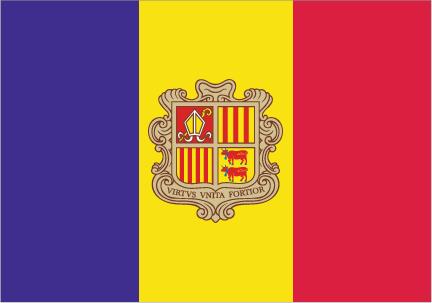 Andorra
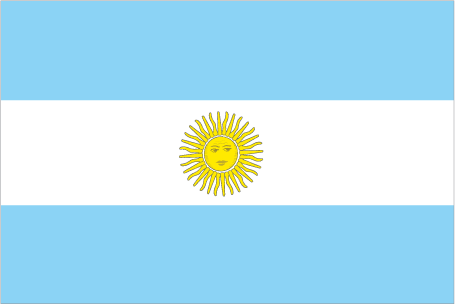 Argentina
 Armenia
 Australia
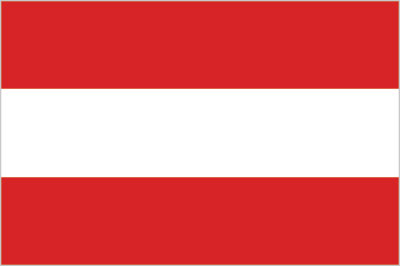 Austria
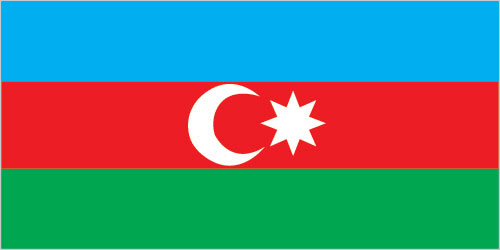 Azerbaijan
 Bahrain
 Belgium
 Bolivia
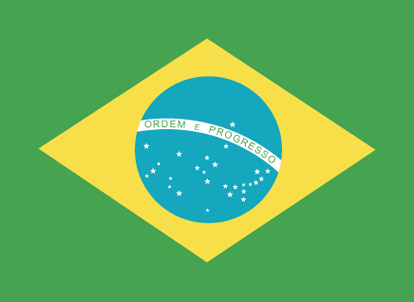 Brazil
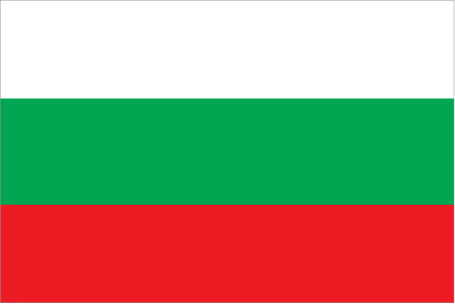 Bulgaria
 Cambodia
 Cameroon
 Canada
 Chad
Chad Chile
Chile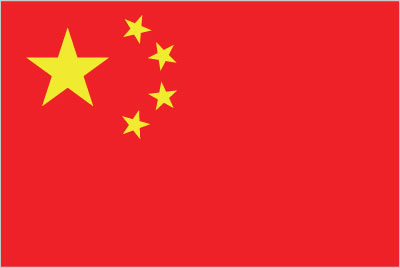 China
China Colombia
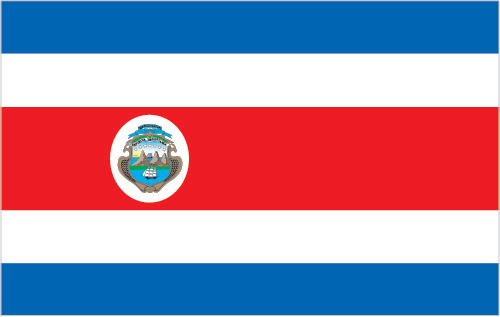 Costa Rica
 Croatia
 Cyprus
 Czechia
 Denmark
 Ecuador
 Egypt
Egypt Finland
 France
 Georgia
 Germany
 Ghana
Ghana Greece
 Hungary
 Iceland
 India
India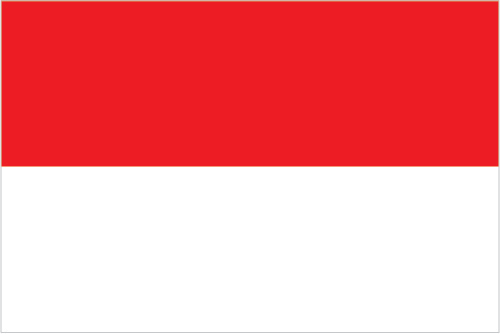 Indonesia
 Ireland
 Italy
Italy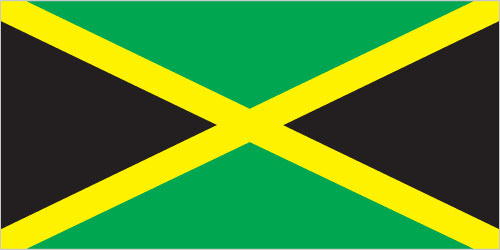 Jamaica
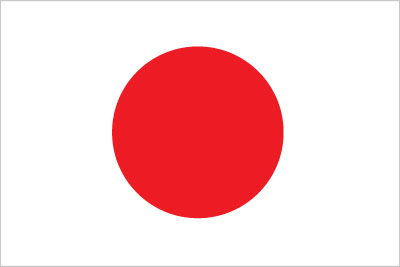 Japan
Japan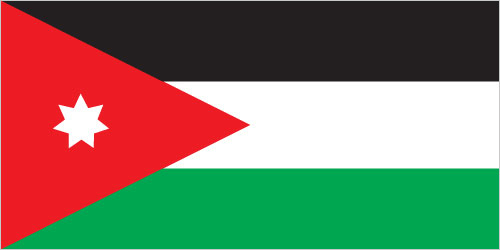 Jordan
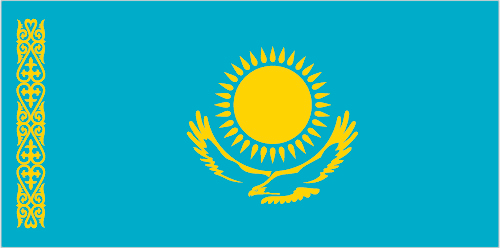 Kazakhstan
 Kenya
Kenya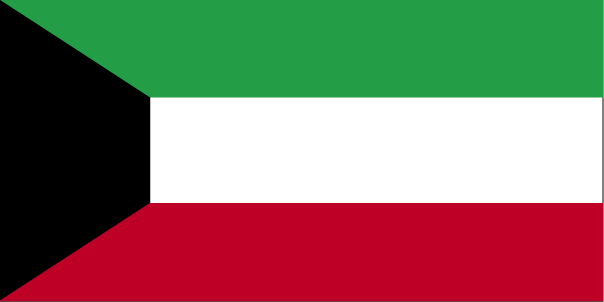 Kuwait
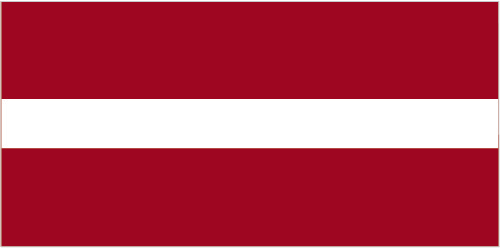 Latvia
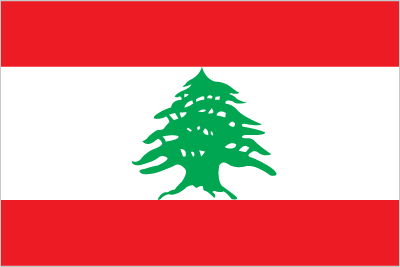 Lebanon
 Libya
Libya Lithuania
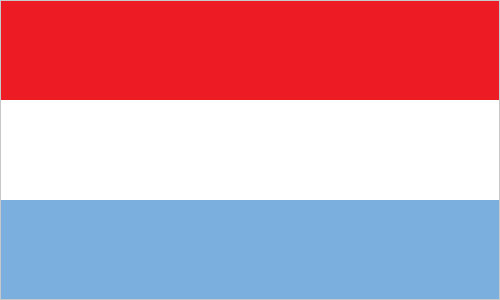 Luxembourg
 Malaysia
 Maldives
 Mali
Mali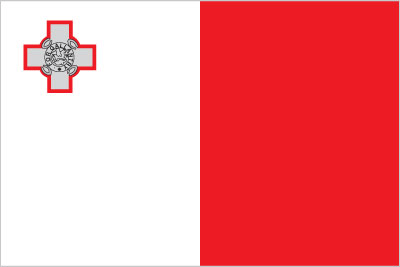 Malta
Malta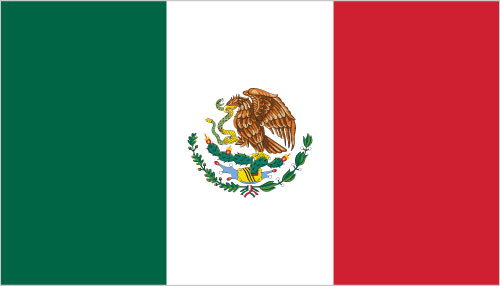 Mexico
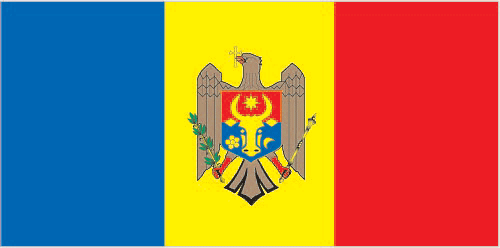 Moldova
 Monaco
 Morocco
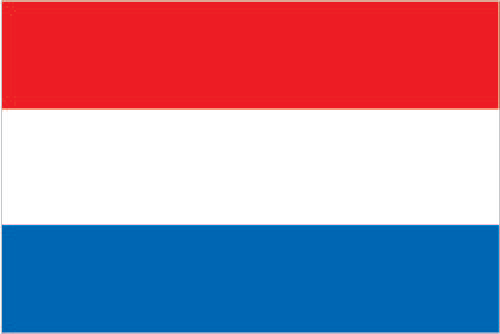 Netherlands
 New Zealand
 Nigeria
 North Macedonia
 Norway
 Oman
OmanThe Netherlands and Sustainability
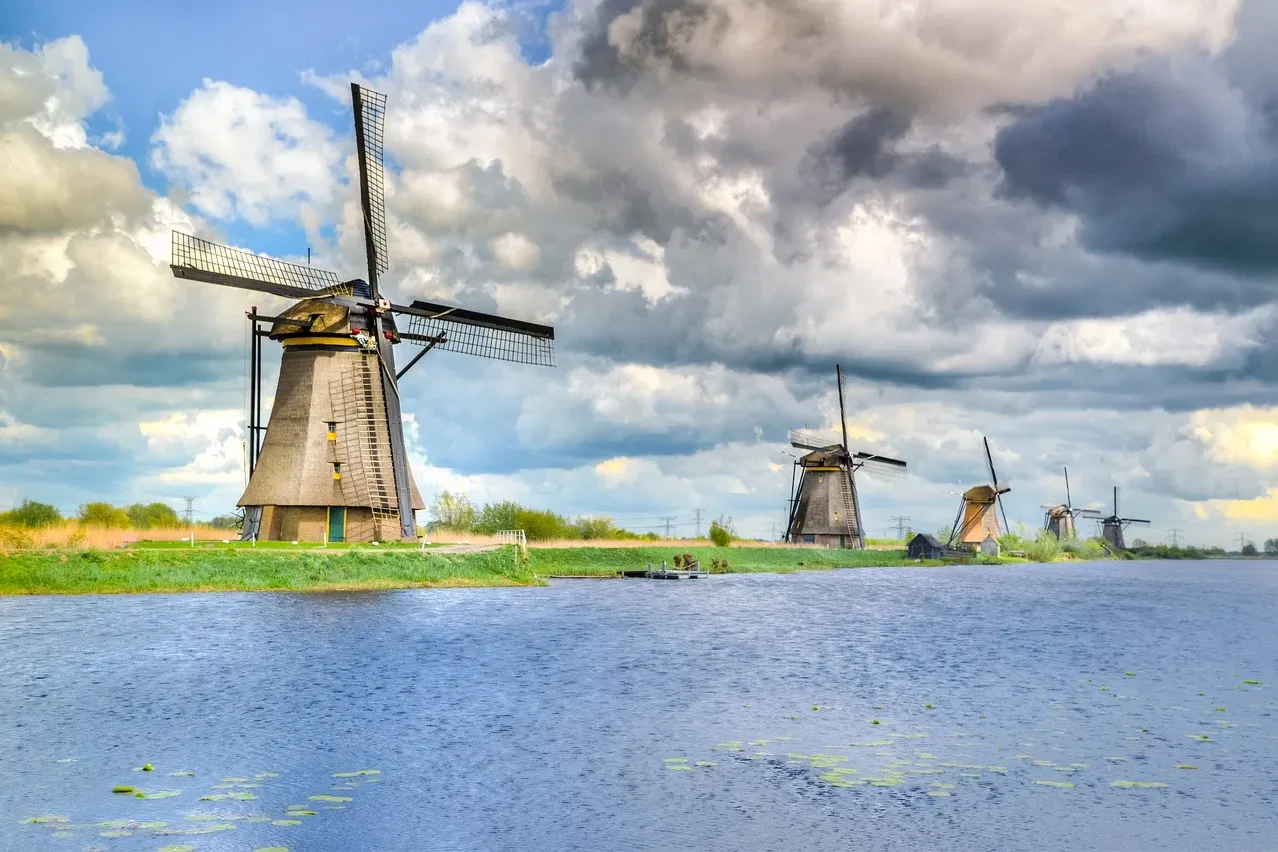
Significant transformations are underway in the Netherlands. Schiphol Airport has partnered with energy company Eneco to transition the airport to 100% wind energy by the end of this year. Meanwhile, the Port of Rotterdam is constructing a waste-to-chemistry plant that will convert up to 360,000 tons of waste into 220,000 tons of green methanol. This facility, the first of its kind in Europe, will eliminate over 300,000 tons of CO2 emissions.
The public transportation sector is also contributing to these innovations, committing to provide 100% emissions-free buses by 2025 and removing all gas and diesel vehicles from the roads by 2030. This positions the country as a leader in sustainable regional and urban ground transport. Even the biking sector, already eco-friendly, is seeing positive developments. The startup “SwapFiets” offers recycled, like-new bikes with 24/7 repair services for an affordable monthly fee, encouraging people to join this circular economy initiative rather than buying new bikes when their old ones break or are lost.
In the solar sector, the Netherlands installed 853 megawatts of solar power, marking a 60% increase in just one year. That same year, more than half a million homes were powered by solar energy—a 40% increase from the previous year.
These efforts clearly demonstrate that the Netherlands is not lagging in terms of sustainability. On the contrary, the country is a clear leader in sustainable development and innovation.